Luxury Retail Inside London Casino Resorts: Brands and Layouts
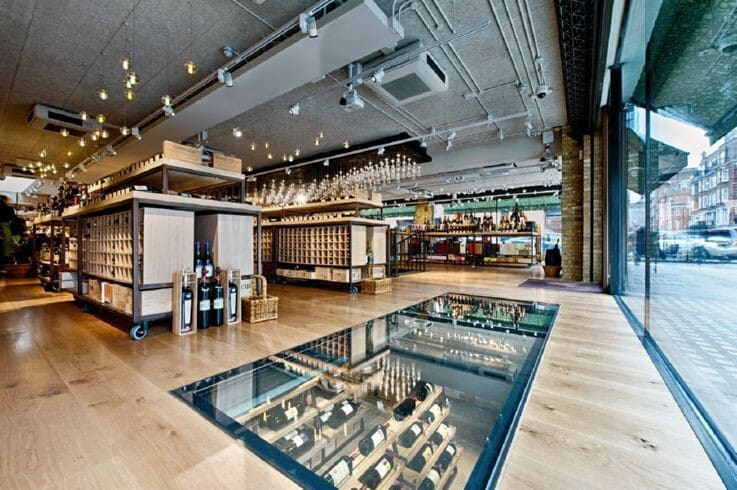
Beyond the roulette wheels, London’s grandest casino resorts are curating a new kind of high-stakes environment: designer shopping arcades. This evolution marks a deliberate shift from gaming-centric venues to multi-faceted lifestyle destinations, where the thrill of the tables is seamlessly interwoven with the allure of high-end commerce. At the heart of this transformation is a sophisticated approach to UK architecture and retail design, creating immersive environments that cater to every facet of a discerning visitor’s desires. This exploration delves into the curated world of luxury retail within London’s casino scene, examining the strategic partnerships, innovative layouts, and architectural psychology that define this exclusive niche.
The Allure of Integrated Luxury Retail
The integration of luxury retail within premium casinos is a strategic masterstroke, rooted in a deep understanding of a shared, affluent clientele. These venues have moved decisively beyond pure gambling, repositioning themselves as entertainment complexes where time is the ultimate currency. By incorporating high-end boutiques, fine dining, and designer showrooms, casinos significantly increase guest dwell time, offering a compelling reason to stay—and spend—beyond the gaming floor. This model leverages aspirational branding, where the glamour of a luxury watchmaker or a famed fashion house elevates the entire venue’s prestige. The goal is to craft a seamless lifestyle experience, where a day or evening can fluidly transition from a bespoke tailoring appointment to a gourmet meal, a hand of blackjack, and the acquisition of a statement piece of jewellery, all within one architecturally stunning environment.
Case Study: The Hippodrome Casino’s Retail Design
Nowhere in London is this integration more vividly realised than at The Hippodrome Casino in Leicester Square. This iconic building, a former theatre and music hall, has been masterfully reimagined into a multi-level entertainment palace. Its retail and F&B offerings are not mere add-ons but are fundamental to its circulatory flow and atmospheric design, offering a prime case study in UK casino architecture and retail synergy.
The Ground Floor Experience: Circulation and Curation
Upon entering The Hippodrome, the visitor is immediately immersed in a curated landscape of luxury. The ground floor is strategically designed to channel footfall through a gallery of premium experiences. The renowned Heliot Steak House, with its vibrant Art Deco-inspired interior, acts as a major anchor, drawing in diners and creating a bustling, sophisticated ambiance. Adjacent to it, The Loft bar offers a more intimate, elevated setting. This careful placement ensures a constant flow of affluent patrons through these spaces, blurring the lines between dining, socialising, and leisure. The layout encourages exploration, with discreet signage and an open-plan design inviting guests to discover the various bars and lounges, effectively turning the entire floor into a retail-like experience of atmosphere and service.
Historic Fabric Meets Contemporary Glamour
The genius of The Hippodrome’s design lies in its respectful dialogue between old and new. The original theatrical fabric—the grand staircases, ornate balconies, and proscenium arch—is preserved and highlighted. This historic grandeur provides a narrative-rich backdrop against which contemporary luxury is staged. Modern lighting schemes accentuate architectural details, while plush materials, polished metals, and strategic mirroring create a sense of modern glamour. The design flow is deliberate: from the historic grandeur of the entrance, one moves into spaces that feel both classic and cutting-edge, a sensory journey that primes visitors for a premium experience, whether they are there for a cocktail, a steak, or a turn at the tables.
Brand Partnerships and Boutique Models
The luxury retail presence within and adjacent to London’s casinos takes several forms, from permanent anchor tenants to dynamic pop-up collaborations. These partnerships are carefully selected to mirror the casino’s brand values of exclusivity, quality, and discretion.
Watch & Jewellery: The Anchor Tenants
High-end watchmakers and jewellers are the natural cornerstone of casino retail. Brands like Rolex, Patek Philippe, and Boodles frequently have boutiques in close proximity to premium gaming rooms. This is a symbiotic relationship: the clientele seeking a high-value timepiece often overlaps with the casino’s premium customers, valuing craftsmanship, investment, and status. These boutiques serve as “anchor tenants,” lending their considerable brand equity to the venue and providing a low-key, high-value retail opportunity that aligns perfectly with the casino environment’s focus on discretion and significant transaction values.
Fashion and Bespoke Services
Beyond jewellery, the retail ecosystem extends to designer fashion, bespoke tailoring, and luxury accessories. The types of brands and services you might encounter include:
- Bespoke tailors and shirtmakers, offering private fittings for a custom wardrobe suited to high-roller events.
- Pop-up boutiques from luxury fashion houses during key events or seasons, creating a sense of urgency and exclusivity.
- High-end accessory and leather goods retailers, catering to both men and women seeking last-minute additions for an evening out.
- Exclusive partnerships with art dealers or galleries, where curated pieces are displayed within the casino’s lounges and private salons, turning the space into a living gallery.
Spatial Psychology: Designing for Spend
The successful integration of retail within a casino is a masterclass in environmental psychology and architectural design. Every element is calibrated to create a natural, enticing flow from zones of high excitement to those of contemplative luxury.
The Journey from Gaming Floor to Gallery
Architects deliberately design the circulation paths to guide visitors on a journey. The transition from the energetic, often darker gaming floor to the retail or dining precinct is carefully managed. This might involve:
- Gradual widening of corridors into open-plan retail galleries.
- The use of architectural thresholds, such as arches or changes in ceiling height, to signify a shift in space purpose.
- Strategic placement of enticing visual merchandising or stunning art installations in sightlines from the gaming area, acting as a beacon to draw visitors through.
Sensory Design and Material Luxury
Materiality and sensory cues are paramount. In retail zones, lighting becomes warmer and more focused, akin to a gallery or boutique, to highlight products and create an intimate atmosphere. Acoustics are softened with plush carpets, heavy drapes, and textured walls to provide a quieter, more relaxed environment conducive to browsing and conversation. The use of rich materials—polished marble, aged brass, rare woods, and sumptuous velvets—reinforces a narrative of opulence and quality, making the act of purchasing feel like a natural extension of the surrounding luxury.
Beyond London: Luxury Retail in British Casino Resorts
While London’s casinos often weave retail into historic urban fabric, the model adapts elsewhere in the UK. A prime example is the Aspers Casino located within Westfield Stratford City. Here, the context is fundamentally different; the casino is embedded within one of Europe’s largest urban shopping centres. The luxury retail is not internally curated by the casino but is provided by the vast surrounding mall, which houses a plethora of high-street and high-end brands. The casino benefits from the mall’s immense footfall, while offering those shoppers an alternative form of adult entertainment. The architectural challenge and focus shift towards creating a distinctive, premium entrance and interior that stands out within the commercial bustle, and designing seamless access points that allow visitors to flow easily between shopping and gaming, leveraging an existing retail paradise rather than building a proprietary one.
In conclusion, luxury retail has evolved from a peripheral amenity to a core component of the premium London casino experience. From the historic stages of The Hippodrome to the modern plazas of Leicester Square, the fusion of entertainment, sophisticated architecture, and high-end commerce creates a powerful destination model. By understanding their shared audience with brands like Rolex and creating intuitive, sensorial journeys from the gaming floor to the gallery, these venues are redefining what it means to be a casino in the modern age—a holistic sanctuary of adult leisure where every design choice is meticulously calculated to captivate the most discerning clientele.