UK Casino Architecture: From the Hippodrome to Aspers Westfield Stratford
As we explore the UK’s casino landscape, the architectural journey from historic theatres to modern retail hubs reveals a fascinating blend of design and commerce. This evolution reflects a broader shift in societal attitudes, where casinos have transformed from hushed, exclusive enclaves into vibrant, integrated leisure destinations. Today, UK casino architecture masterfully weaves together heritage conservation, cutting-edge retail design, and experiential luxury, creating spaces that are as much about social engagement and high-end shopping as they are about gaming. This article delves into the pivotal landmarks and design philosophies shaping this unique sector.
The Historic Grandeur of London’s Casino Landmarks
London’s casino scene is anchored by architectural treasures that speak of a bygone era of opulence and entertainment. Unlike the purpose-built gambling palaces of Las Vegas or Macau, many of the capital’s most famous casinos are housed within historically significant buildings, requiring a sensitive yet innovative approach to adaptive reuse. This marriage of past and present creates an atmosphere unmatched by newer constructions, offering patrons a sense of occasion rooted in cultural heritage.
The Hippodrome’s Architectural Legacy
Standing proudly in the heart of Leicester Square, The Hippodrome Casino is a Grade II listed building that epitomises this principle. Originally opened in 1900 as a theatre and variety venue, its Edwardian Baroque façade and iconic dome are instantly recognisable landmarks. Designed by Frank Matcham, the celebrated theatre architect, its interior was a marvel of its age, featuring an innovative water tank for aquatic spectacles. This foundational history as a place of public spectacle and wonder is embedded in its very fabric, setting the stage for its modern incarnation.
Adapting History for Contemporary Gaming
The building’s transformation into a multi-level casino in 2009 was a feat of architectural ingenuity. The challenge was to preserve Matcham’s original features—including the stunning auditorium ceiling and ornate balconies—while integrating modern gaming floors, bars, and restaurants. The solution created a dynamic spatial experience where patrons can gamble under a preserved proscenium arch or dine in what was once the theatre’s backstage area. This respectful adaptation proves that historic architecture can provide a deeply resonant and commercially successful shell for 21st-century leisure.
The Evolution of Casino Design in the UK
The architectural narrative of UK casinos is one of dramatic reinvention, driven by both cultural change and legislative action. For much of the 20th century, the casino model was defined by discretion and exclusivity, often hidden behind the unassuming doors of private members’ clubs in Mayfair.
From Exclusive Clubs to Public Venues
Establishments like the famed Crockfords Club in Mayfair set the template: discreet, elegant, and designed for a wealthy, members-only clientele. The architecture was inward-looking, prioritising privacy and comfort over spectacle. Interiors were (and often still are) characterised by rich wood panelling, plush carpets, and intimate lighting—a design language of refined exclusivity. This contrasted sharply with the emerging vision of casinos as accessible, large-scale entertainment destinations.
The Influence of the 2005 Gambling Act
The pivotal moment in this evolution was the 2005 Gambling Act, which came into full effect in 2007. This legislation liberalised the industry, allowing for larger premises, more gaming machines, and crucially, the advertising of casinos. Architecturally, this triggered a shift away from the clandestine club model towards open, accessible, and multi-functional venues. The Act effectively mandated a new design philosophy: casinos needed to attract a broader public by becoming exciting, safe, and varied leisure hubs. This policy change directly paved the way for the development of massive, integrated complexes like Aspers.
Aspers Westfield Stratford: A Modern Casino Retail Hub
Embodying the post-2005 Act ethos is Aspers Casino at Westfield Stratford City, the largest casino in the UK by floor area. Its very location is a statement of intent: situated within one of Europe’s largest urban shopping centres, it is fundamentally designed as part of a retail and leisure ecosystem. This is not a standalone temple to gambling, but a seamlessly integrated component of a day-out destination.
Architectural Features of Aspers
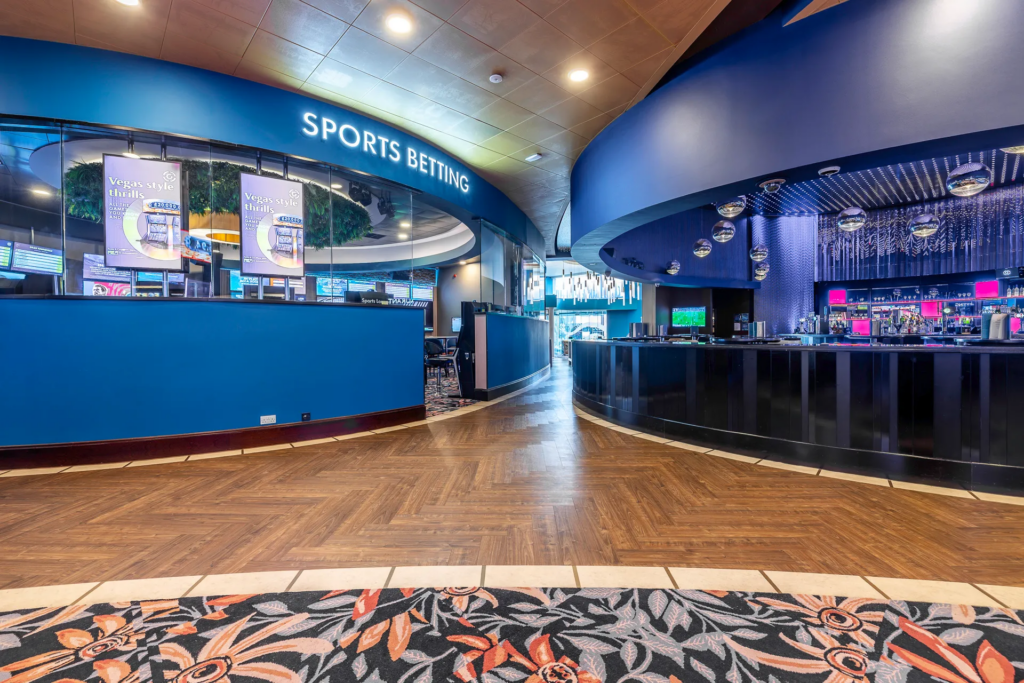
Aspers’ architecture is modern, open-plan, and intentionally less intimidating than traditional models. Soaring ceilings, vast windows overlooking the shopping mall concourses, and clever zoning create a sense of light and space. The design uses materials like glass, steel, and contemporary lighting to feel more like a high-end bar or club than a classic casino. Key features include a central “show pit” gaming area and multiple levels that cater to different moods, from the buzz of the main floor to more secluded premium areas.
Retail and Leisure Integration
The genius of Aspers’ design lies in its permeability with Westfield Stratford City. Patrons flow effortlessly between retail therapy, dining at one of the mall’s dozens of restaurants, catching a film, and visiting the casino. This integration offers a powerful commercial synergy; the casino benefits from the mall’s enormous footfall, while the mall gains a unique, adult-oriented attraction. The design facilitates a blended experience, where a day of shopping can naturally transition into an evening of entertainment, redefining what a modern British casino is for.
Luxury Retail and Casino Arcades in London
Beyond the scale of Aspers, a more curated fusion of luxury retail and gaming exists within London’s upscale casino resorts. Here, the relationship is less about sheer integration and more about cultivating an ecosystem of exclusivity and high-end service, where gaming is just one facet of a luxurious lifestyle offer.
Casino Arcades as Retail Destinations
Certain elite London casinos have incorporated boutique shopping arcades directly into their premises, creating self-contained worlds of opulence. A prime example is The Ritz Club, located beneath the iconic Ritz Hotel. Its approach is not merely to host retail, but to curate an arcade that matches the hotel’s legendary standards. Similarly, The Hippodrome has leveraged its prime location and footfall to incorporate high-end retail spaces within its complex, allowing visitors to move between leisure activities seamlessly.
Brand Partnerships in Casino Resorts
The success of these arcades hinges on prestigious brand partnerships that resonate with a high-net-worth clientele. The retail tenants are carefully selected to complement the casino’s brand image and service its customers’ tastes. For instance:
- Rolex: A presence in venues like The Ritz Club arcade signifies timeless luxury and prestige, aligning perfectly with the clientele’s aspirations.
- Harrods: As an icon of British luxury retail, a boutique or partnership offers a familiar, trusted symbol of quality and exclusivity.
- Designer Fashion & Jewellery: Bespoke tailors, high-end jewellers, and fashion boutiques complete a circle of luxury, where winnings can be immediately enjoyed through adjacent retail.
This model transforms the casino from a gaming venue into a comprehensive luxury destination, where the architecture must provide a discreet, elegant, and connected environment for both shopping and play.
The Future of UK Casino Architecture
Looking ahead, the trajectory of UK casino design points towards greater sophistication, responsibility, and technological integration. The lessons of blending heritage with modernity and retail with leisure will continue to be refined, guided by new priorities.
Sustainable Design in Casinos
As with all major construction and refurbishment projects, sustainability is moving to the forefront. Future developments, such as the long-proposed large-scale casino at the Olympia London redevelopment, will be scrutinised on their environmental credentials. This means architects will prioritise:
- Energy-efficient lighting and climate control systems for large, 24-hour spaces.
- Sustainable sourcing of materials during refurbishment of historic buildings.
- Seeking BREEAM certifications to demonstrate a commitment to reduced operational carbon footprints.
Technology and Personalised Experiences
Architecture will increasingly be shaped by digital integration. Smart building systems will manage environments in real-time for comfort and efficiency. On a customer level, design will facilitate seamless, cashless experiences via apps and membership cards. Furthermore, spatial layouts may evolve to support more hybrid entertainment, such as areas designed for esports betting or immersive digital art installations, blending physical architecture with digital realms to create deeply personalised guest journeys.
The fusion of heritage architecture and contemporary retail design is now the defining characteristic of the UK casino sector. From the preserved grandeur of The Hippodrome to the retail-integrated vastness of Aspers and the curated luxury of Mayfair arcades, this blend creates uniquely compelling destinations. As the industry moves forward, this successful formula will undoubtedly adapt, embracing sustainability and technology to write the next chapter in Britain’s distinctive architectural story of chance and commerce.